

Blog Planning · 19th October 2026 · 3 min read
Kenya Safari Packing List and Travel Tips for First-Time Visitors
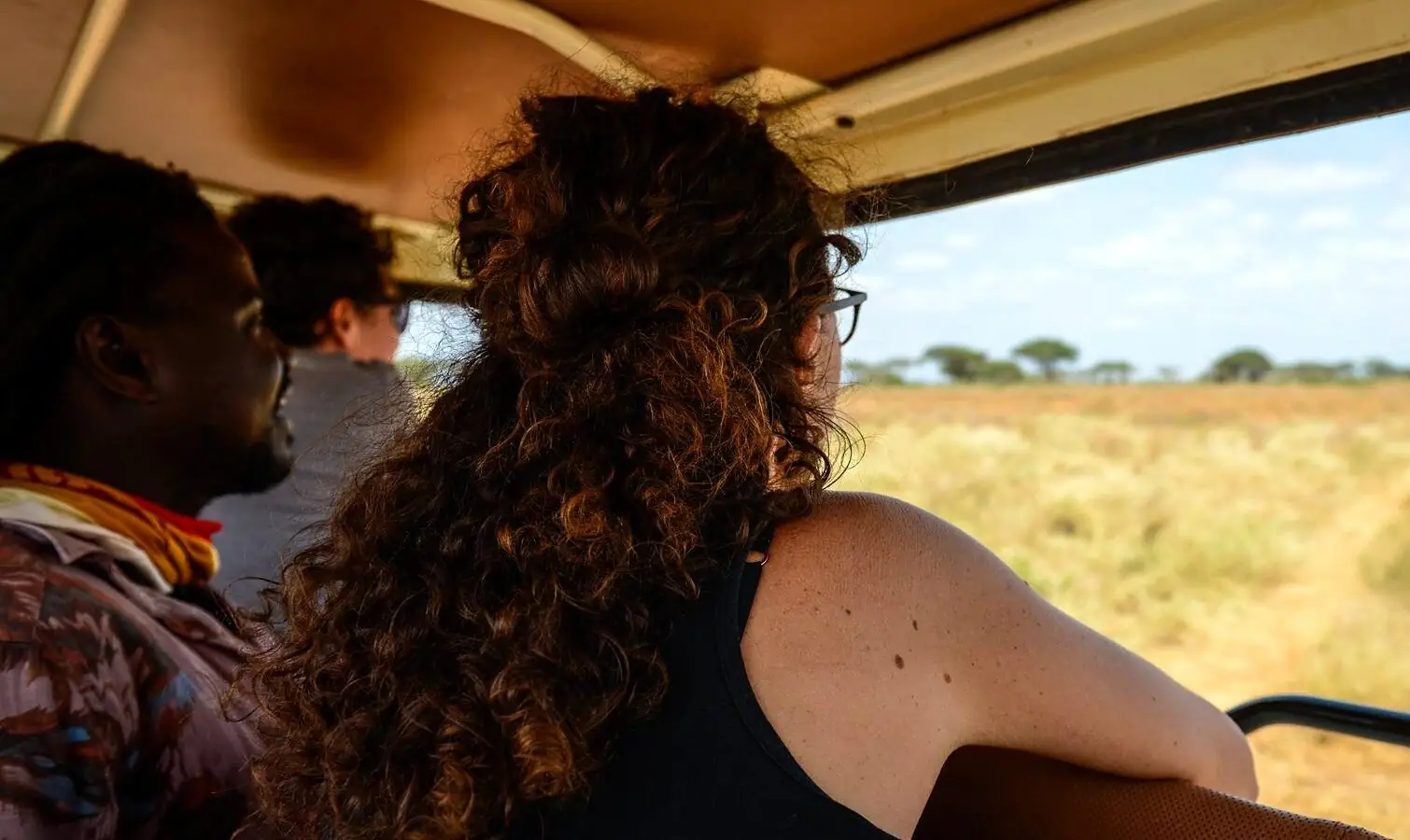
Packing for a safari and beach trip in Kenya is easier than it looks. You need light layers for the bush, swimwear for the coast and a few essentials that make a big difference. Here is the list we send our own guests.
Clothes for safari
- Neutral colours: khaki, beige, olive and brown. Avoid bright colours and, in tsetse areas, dark blue and black.
- Layers: early morning game drives can be cool, especially in the Masai Mara. Bring a fleece or light jacket.
- Long sleeves and trousers for evenings, to protect against mosquitoes.
- A wide-brimmed hat and sunglasses, especially when the roof of the jeep is up.
- Comfortable closed shoes for walking at lodges and stops.
Clothes for the coast
- Swimwear, a light cover-up and sandals
- A rash vest or old T-shirt for snorkelling in the sun
- Light, modest clothes for Malindi town and the Gede Ruins (cover shoulders and knees)
- Water shoes for walking on the reef and sandbanks at low tide
Essentials
- Passport valid for at least six months, with blank pages
- Travel insurance that covers medical evacuation
- Sun cream, ideally reef-safe for the marine park
- Insect repellent with DEET or picaridin
- Binoculars (one pair per person if you can)
- A power bank and a UK-style three-pin adapter (Kenya uses type G sockets)
- A soft bag rather than a hard suitcase if you are taking light aircraft, which have weight limits
Camera tips
- A zoom lens of 200 to 400 mm is ideal for wildlife; a good phone works well for landscapes.
- Bring spare batteries and memory cards. Lodges charge devices, but not always in your room.
- A bean bag or small cushion steadies the camera on the jeep’s window.
- Ask before photographing people, and never photograph police, military or government buildings.
Visas and entry
Most visitors to Kenya need an electronic travel authorisation (eTA), applied for online before you travel. Rules can change, so always check the official Kenyan government immigration website for the latest requirements for your nationality.
Health
See a travel doctor or clinic six to eight weeks before you travel. They will advise on vaccinations, on whether you need a yellow fever certificate (this depends on where you are travelling from) and on malaria prevention for the coast and safari areas. Drink bottled or filtered water.
Money and tipping
- The currency is the Kenyan shilling. US dollars are widely accepted for larger payments.
- Cards work in most hotels and larger restaurants. Carry some cash for markets and tips.
- M-Pesa, Kenya’s mobile money service, is used almost everywhere.
- Tipping is appreciated but never compulsory. Your driver-guide, boat crew and hotel staff will be grateful for any tip that reflects good service.
Good to know
- Single-use plastic bags are banned in Kenya. Pack in fabric or zip bags.
- Swahili is the national language alongside English. “Jambo” (hello) and “asante” (thank you) go a long way.
- Our guides speak English, Italian, German, French and Swahili, so you can enjoy the trip in your own language.
Frequently asked questions
How much luggage can I take on a safari?
On road safaris from the coast there is plenty of space. For light aircraft to the Masai Mara, the limit is usually around 15 kg per person in a soft bag. We confirm the exact limit when we book.
Do I need special clothes for a safari?
No. Comfortable, neutral clothes you already own are fine. There is no need to buy expensive safari gear.
Questions before you travel? Message us on WhatsApp or start with our trip planner. Read next: Tsavo East safari from Watamu.


Tell us your dates, we plan the rest
Send a message with your travel dates and group size. We reply on WhatsApp or email with a plan and a quote, usually the same day.