


Blog Watamu Guide · 19th October 2026 · 2 min read
Watamu Marine National Park: Snorkelling Guide and Blue Safari Tips
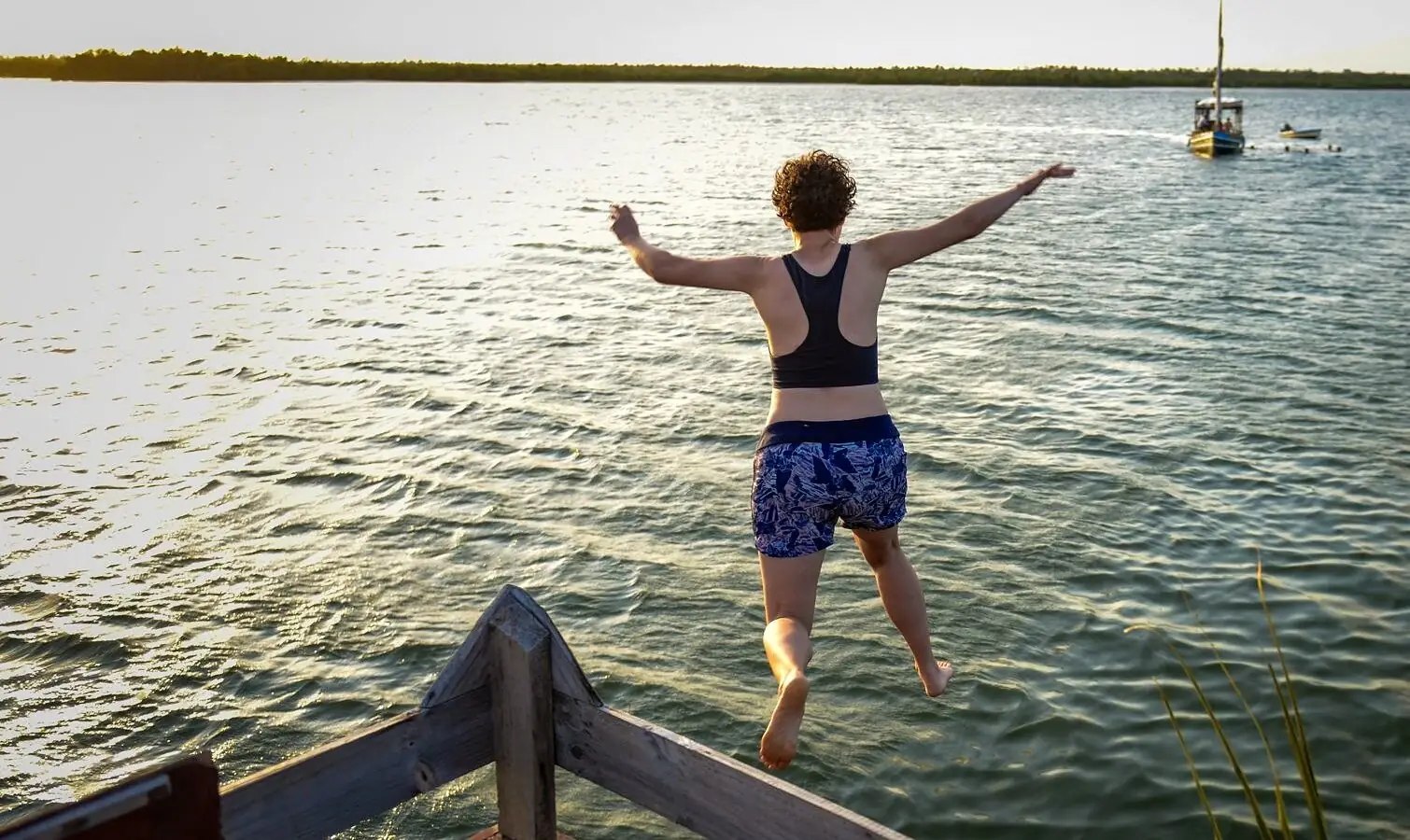
Watamu Marine National Park is the reason many people fall in love with this stretch of the Kenyan coast. Protected since 1968, it is one of the oldest marine parks in Africa and part of the Malindi-Watamu Biosphere Reserve. Here is how to make the most of it.
What you will see
- Coral gardens with brain, staghorn and table corals
- Hundreds of species of reef fish, including parrotfish, angelfish, butterflyfish and moray eels
- Green and hawksbill turtles, often grazing on seagrass
- Rays and octopus on the sandy patches
- Dolphins beyond the reef on calm days, and humpback whales passing from about July to October
When to go: tides and seasons
Tides matter more than the time of day. The best snorkelling is around low tide, when the coral gardens are shallow, calm and clear. Because tides move by about an hour each day, the best time to go changes during your stay. We plan every reef trip around the tide table.
For the clearest, calmest water, October to March is best. From June to September the trade winds can make the sea choppier, but there are still good days, especially in the early morning.
What is a Blue Safari?
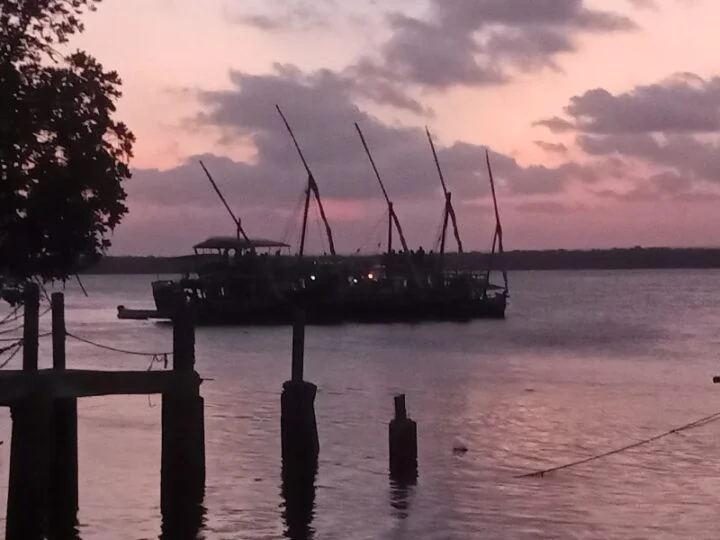
A Blue Safari is a full day on the water on a traditional wooden dhow. Our Blue Safari: Dhow, Snorkelling and Dolphins typically includes:
- Pick-up from your hotel and boarding the dhow
- Snorkelling in the marine park with masks and fins provided
- Looking for dolphins when sea conditions allow
- A seafood lunch, often on a sandbank or island as the tide allows
- Sailing home in the afternoon
Prefer a shorter trip? Our Sundowner Dhow Cruise sails Mida Creek in the late afternoon.
Snorkelling tips for beginners
- Practise breathing through the snorkel in shallow water first.
- Wear a rash vest or T-shirt: the sun is strong and you will not notice your back burning.
- Ask for a life jacket or float if you are not a confident swimmer. Our crew are with you in the water.
- Never stand on or touch the coral. It is alive and grows only a few millimetres a year.
- Use reef-safe sun cream, applied at least 20 minutes before you get in.
Protecting the reef
Watamu’s reef is protected because local people, conservation groups and the Kenya Wildlife Service have worked for decades to keep it healthy. Marine park fees go to its protection. Please do not feed the fish, collect shells or buy coral and shell souvenirs. Our crews follow the park rules on every trip.
Frequently asked questions
Can children snorkel in Watamu?
Yes. Many coral gardens are shallow and calm at low tide. We provide children’s masks and life jackets.
Is there a fee for the marine park?
Yes, the Kenya Wildlife Service charges a marine park entrance fee. We include it clearly in your quote.
Can I dive in Watamu?
Yes. There are dive centres in Watamu for both beginners and certified divers. Ask us and we will help you arrange it.
Ready to get in the water? Add the Blue Safari in our trip planner, or read 15 best things to do in Watamu.

Tell us your dates, we plan the rest
Send a message with your travel dates and group size. We reply on WhatsApp or email with a plan and a quote, usually the same day.